
Thursday, October 1, 2026


At the beginning of July, the breeding season for our Thurston County birds is drawing to a close. In the weeks to come, you will notice more and more of this year’s fledglings. Like human kids, they are often awkward and clumsy, with odd fluffy feathers sticking out. And, of course, they may still be begging their parents for food.
Because my cats wake up at first light and begin demanding that I attend to their empty food bowls, virtually every day I am listening at an open window to the dawn chorus. (During breeding season, many bird species sing their territorial songs for the first hour or two of daylight — the dawn chorus). Leading up to the late June summer solstice, this cat awakening chorus was happening about 4:30 a.m.
Now, just two weeks past the solstice, that early bird song is quieting. As daylight comes a little later and the breeding season ends, the cats and I get a little more sleep.
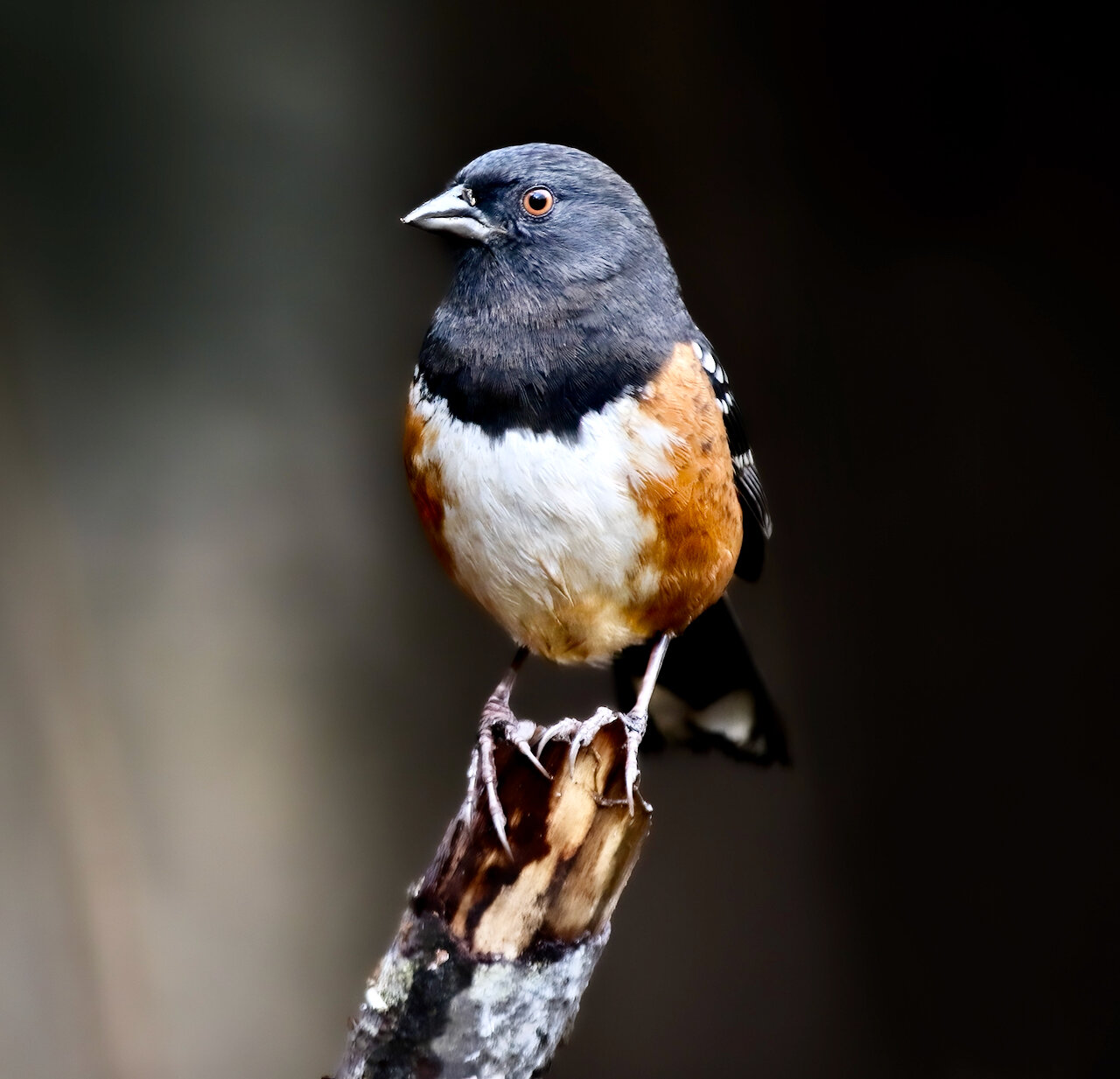
But all bird species are not equally affected. The neighborhood robins continue to sing, at both first light and on occasion all day long. And many other species, including my resident spotted towhees, sing frequently throughout the day. Also, the young ones are learning their family songs. It takes practice to perfect them. Usually, these initial attempts we’re hearing are young males imitating their "dads."
 A male purple finch.
Liam Hutcheson | For The JOLT
A male purple finch.
Liam Hutcheson | For The JOLT
My favorite singer during these weeks has been the purple finch. These males sing a variety of 10-20 warbling notes lasting several seconds. They also have a shorter song that I hear as a cheery, “See me, here I am.” Of course, my always handy Merlin app is available to help.
Some of the unusual avian visitors to Thurston County are lingering, and others keep coming. Several weeks ago, I wrote about a yellow-breasted chat being seen along Tono Road, east of Bucoda. Reports are that it’s still there. I think this holiday weekend I will take a drive out there to take a look.

In the last week, white pelicans have been seen on the Nisqually estuary, especially from the Luhr Beach access site. And, if you go to Luhr Beach, be sure to venture onto the porch at the Nisqually Reach Nature Center for a close-up view of the active purple martin nest boxes.
Brown pelicans, our second pelican species, are seen almost every day in the Port of Olympia and/or the Capitol Lake area, either flying overhead or perched on the pilings. If you are lucky, you might spot them diving for small fish.
And, during mid tide to low tide stages, there is likely to be an interesting collection of gulls and terns resting on the mud flats at the northern end of the port (called North Point or KGY Point). North Point at the Port of Olympia is one of the best locations for spotting these unusual visitors. In the past week, I have seen Caspian terns and a Bonaparte’s gull, as well as the usual local gulls.

Bonaparte’s gulls are small and dainty, with a light gray back and black wing tips. They also have a thin black bill and a round black smudge behind their eyes. When flying, they might seem tern-like, hovering and diving into the water seeking small fish.
Last week another unusual gull landed on the mud flats for the day — a single Heerman’s gull. This medium sized gull is common to northern Puget Sound and the Straits of Juan de Fuca, but is seldom seen in southern Puget Sound. It has a unique and unmistakable appearance, dark gray overall with a contrasting orange bill with a black tip. Adults gain a boldly contrasting white head and during breeding season its bill turns blood red.

Seeing these unusual out of town visitors is part of the fun of July birding. And in July, the whole natural world is at its most vibrantly alive, overflowing with beauty in every direction. The more time we spend outdoors, the more fully alive we feel too.
George Walter is environmental program manager at the Nisqually Indian Tribe’s natural resources department; he also has a 45+ year interest in bird watching. He may be reached at george@theJOLTnews.com
Photos for this column are provided by Liam Hutcheson, a 19-year-old Olympia area birder and avid photographer.


3 comments on this item Please log in to comment by clicking here
janetmclane
George's column invariably reminds me to slow down and pay more attention to the sound and sight of the region's magnificent bird visitors during this season. Thank you , George.
Thursday, July 2 Report this
johnvaneenwyk
thank you, george!
Friday, July 3 Report this
pbaron1902
Love Thurston's Birds column and Liam's great pics. Thank you!
Tuesday, July 14 Report this